I never imagined how my life would change in the early hours one morning outside Guatemala City. The leaders told us we would be heading to the city dump to meet the people there, but I wasn’t prepared.
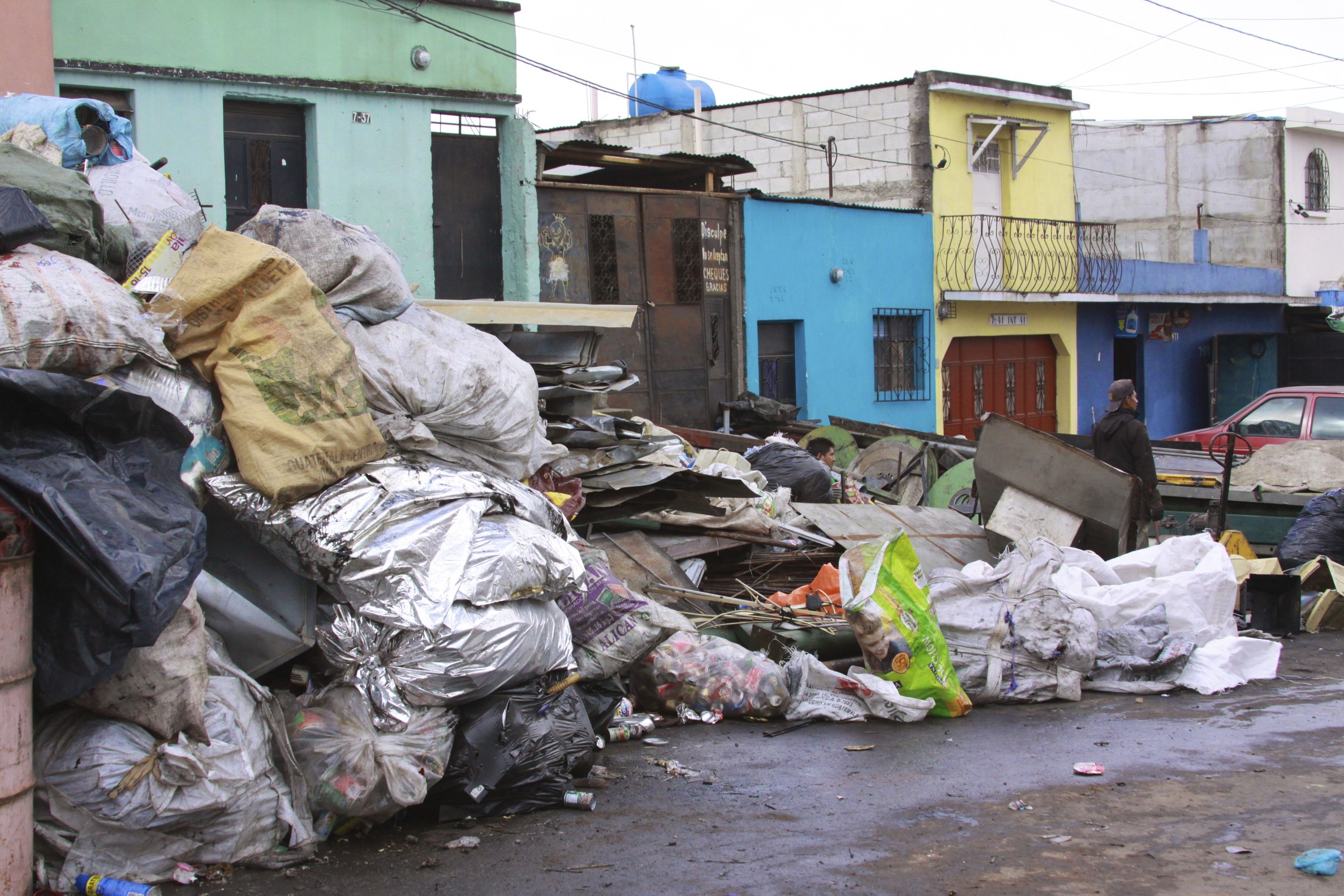
As our van rolled in to the dump area, my heart was beginning to scream “I can’t do this!” Trash was piled everywhere along the roads. The smells were getting stronger and stronger as we ventured further in to “dump city.” I held my breath for awhile, but even that didn’t help.
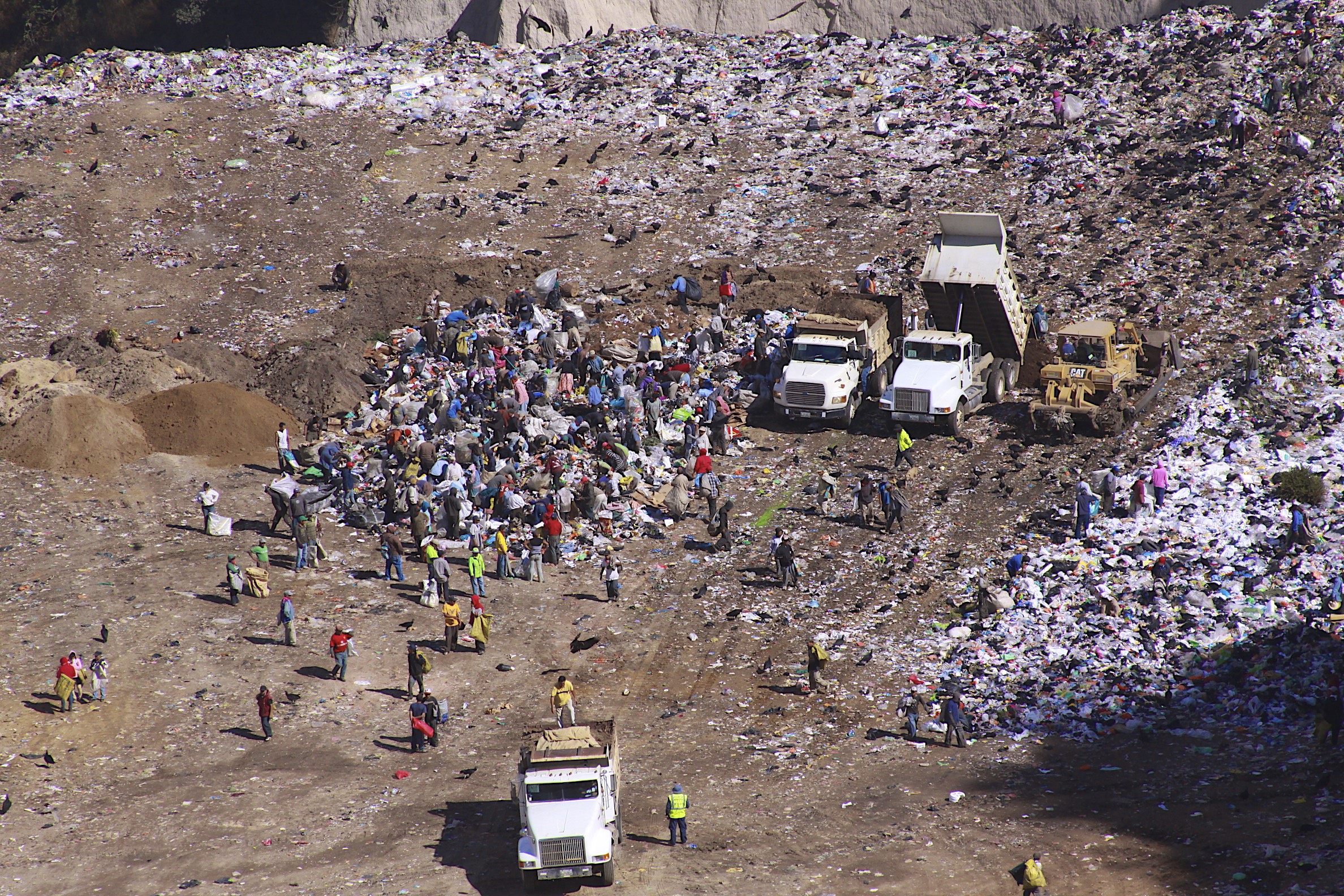
Dogs were roaming everywhere, as we pulled in to get a briefing on this area. Poverty is overwhelming in Guatemala. For some to provide for their families they head to the City Dump daily, working 12-16 hours to bring home a meager $2. These people are called “scavengers” in the community. After a short briefing, we headed to the actual dump site.
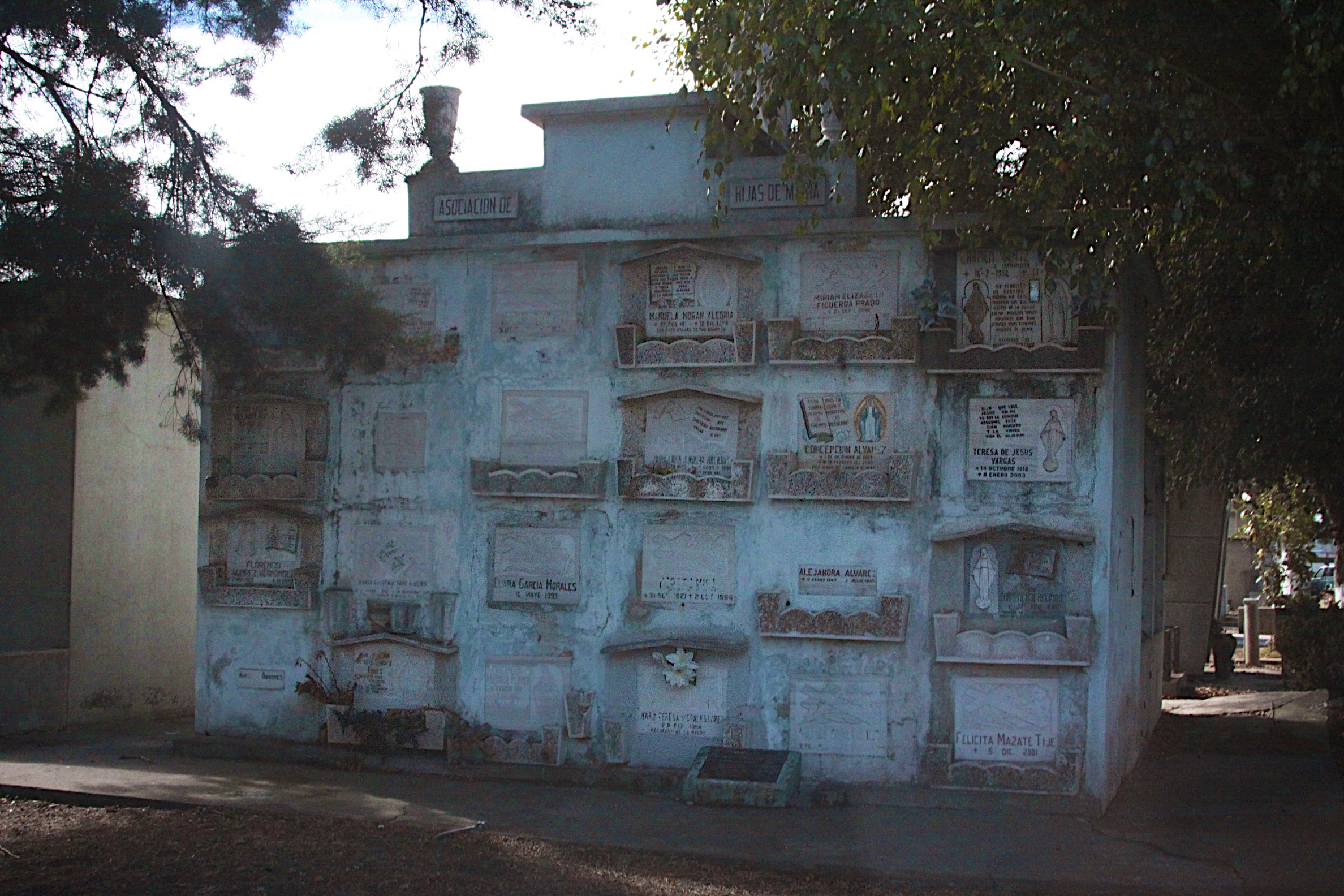
At the city’s edge we came upon a grave yard. We stopped and began to walk. You could hear the sounds of trucks off in the distance. The grave yard was eery. Some graves were nicely kept, while others were torn in to ruins.
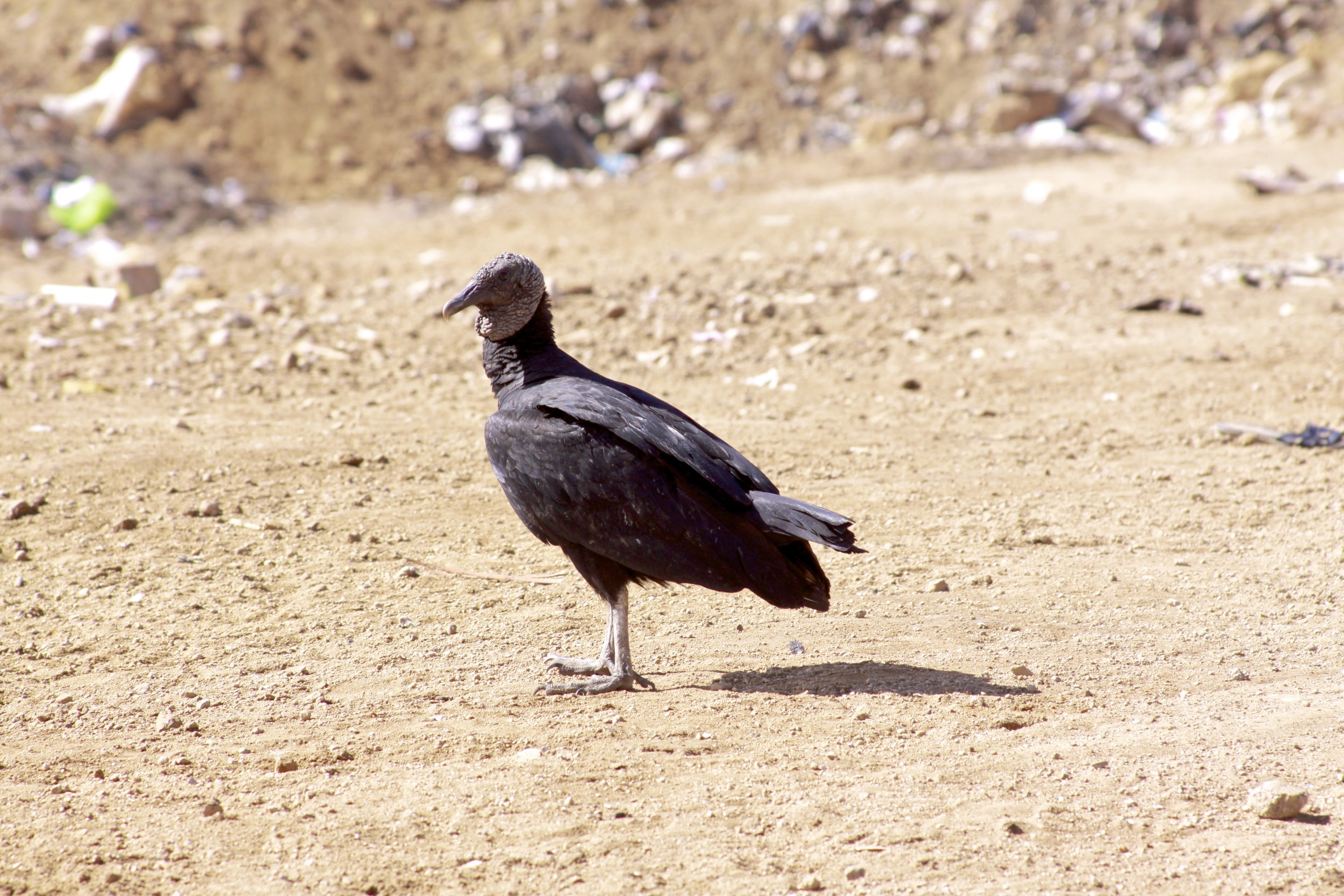
We continued to walk. You knew we were getting close as black buzzards were flying above. The black birds not only dotted the sky, they flocked in the grave yard.
Arriving at the back of the property, we stood on a ledge over looking the dump. It was busy and sounded like any city dump yard. The smell was even familiar, but what was not registering in my senses was the sight of people working tirelessly among the trash.
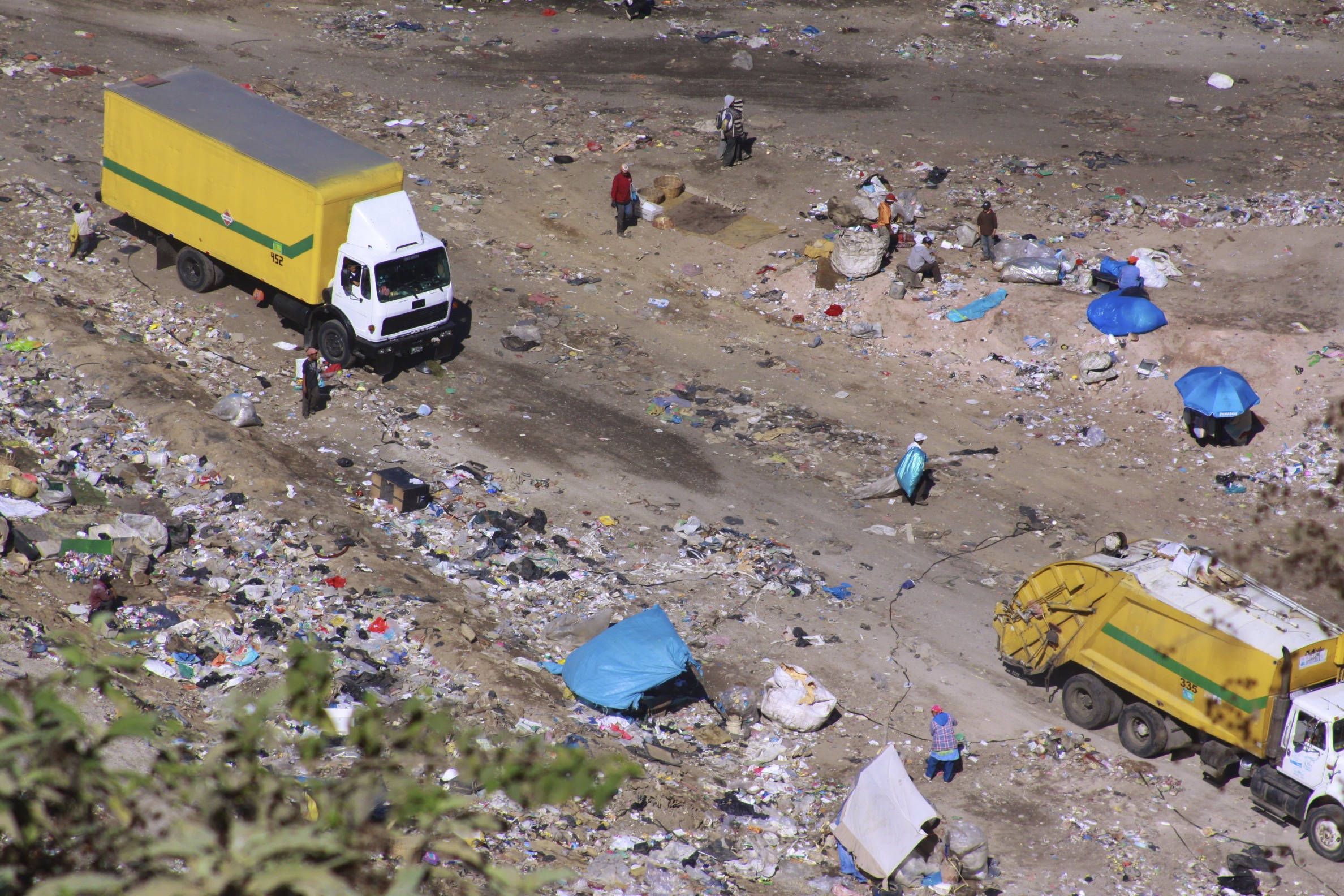
They come for the day. Arriving early to be the first there to glean the best “stuff,” they work with out a restroom or food all day. They only things they have with them are what they carry down into this dump hole to work all day. Sitting up umbrella stands, they sift through trash looking for what they might bring back to make a few bucks off of.
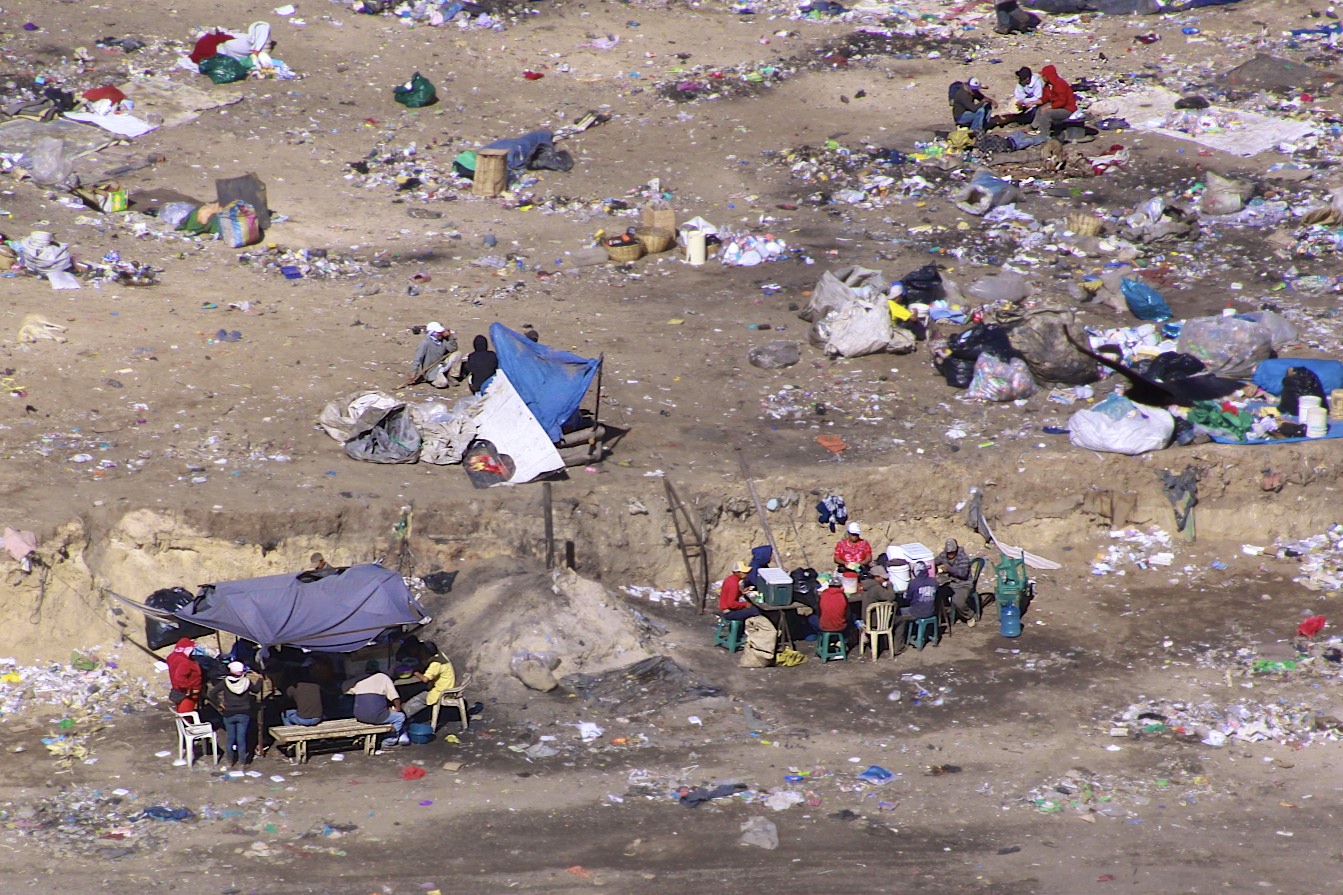
People were everywhere. Birds were everywhere. Trash was everywhere. All the sudden I had a new perspective on what I throw away and call trash. They look for cans and plastic they can recycle, electronics that maybe they can have repaired, and even old clothes they can clean up and resell.
Trying to comprehend this lifestyle and make sense of it was almost beyond my thought capacity. Then we had the opportunity to meet Marlon. You must read his story here, as told by Jeff Goins. Did you read the story? Seriously, you must!
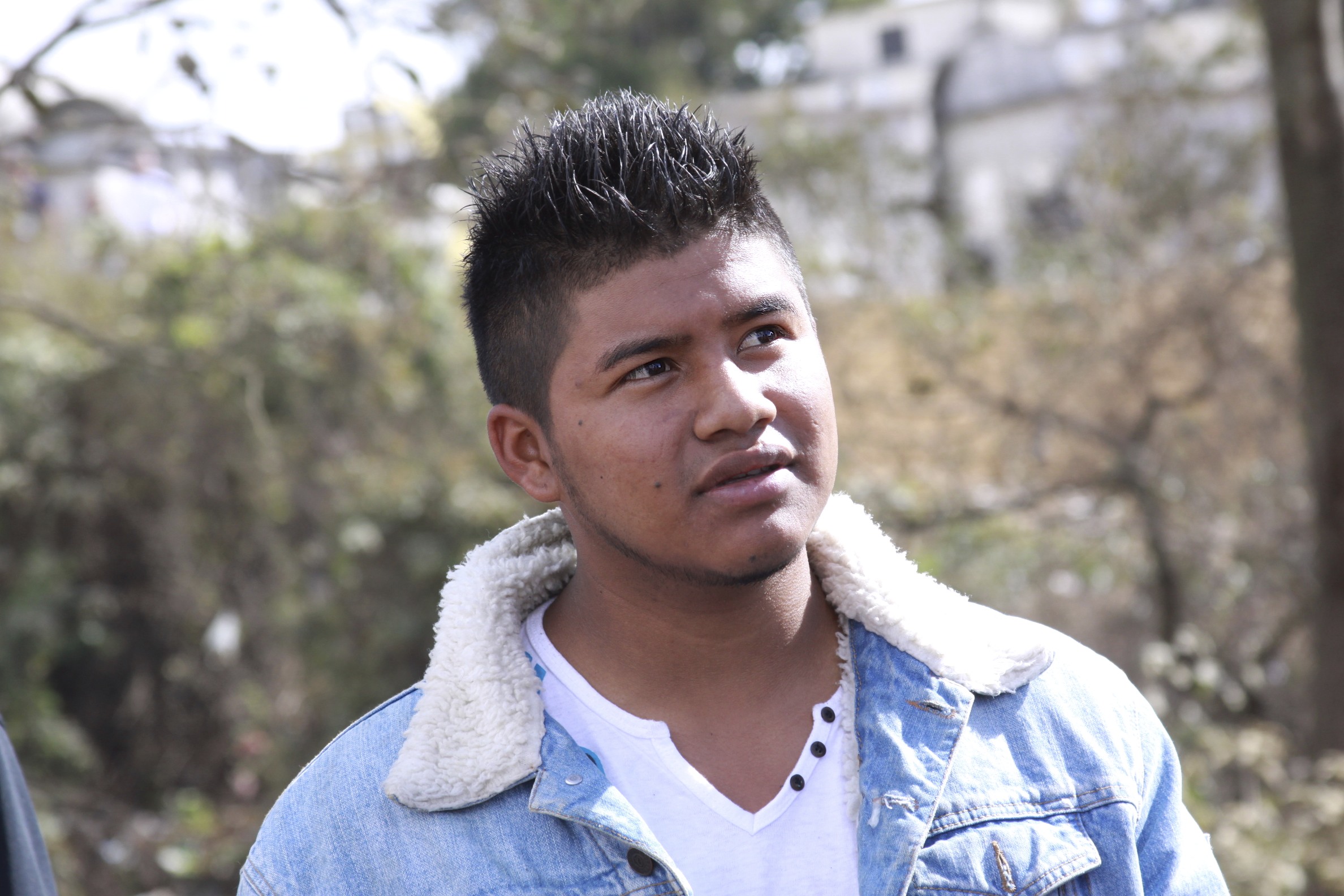
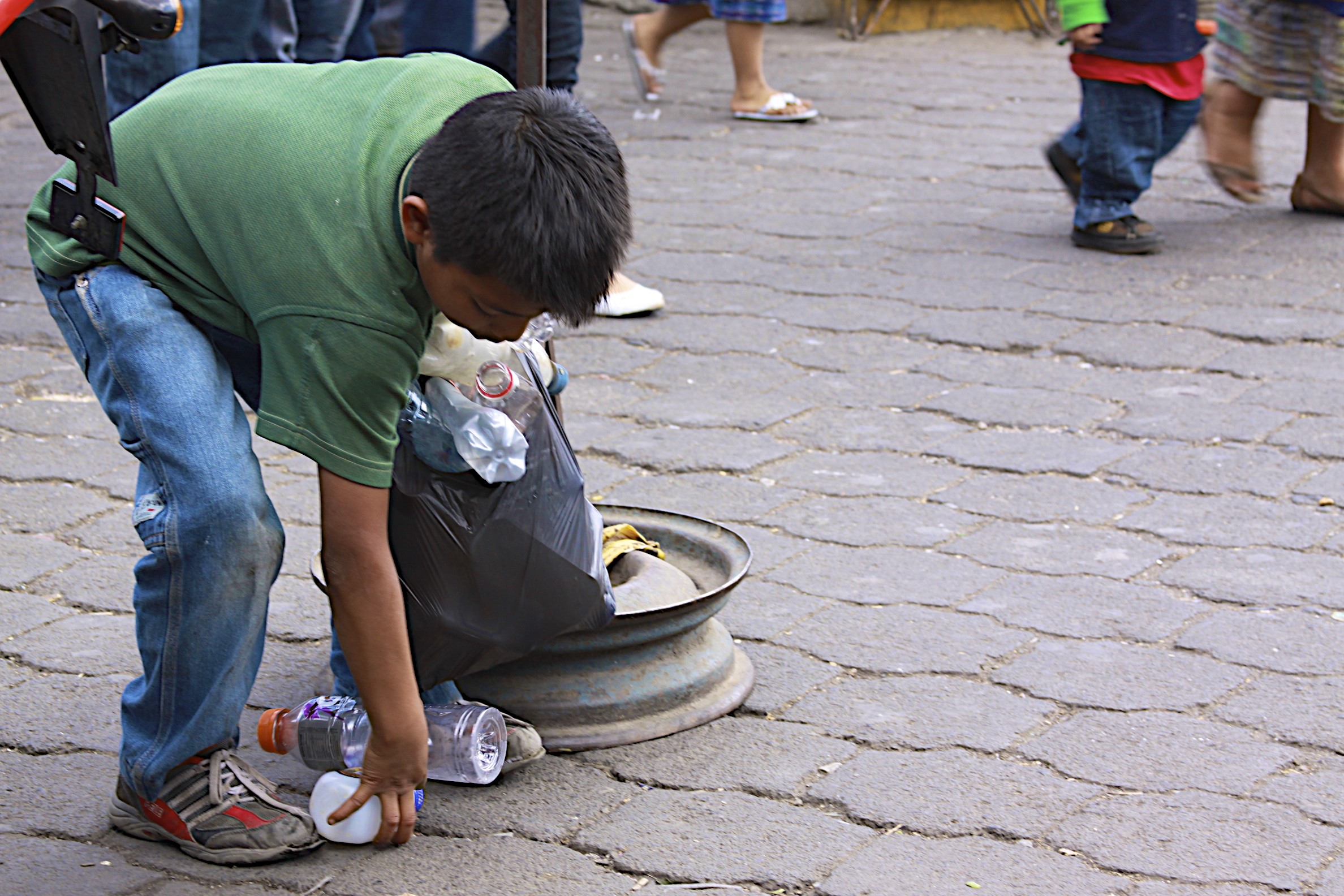
Marlon’s story was such inspiration to me. How does a 6 year old care for his family? I had witnessed it the day before sitting in the city market in Antique.
This young boy, probably six, walked by carrying a bag of plastic bottles. He soon spotted another bottle and reached to pick it up. He had 3 younger brothers in tow that he seemed to be responsible for. I was so captivated by the scene, I only picked up my camera in enough time to snap this shot.
I was thankful for Marlon’s story. I realized these aren’t ‘scavengers’, they are hard working people trying to provide for their families in any way that they can.
I do have to admit, I left the site discouraged. The need seemed so vast. They need help and a hope for a better tomorrow. How in the world could I truly help? What could I do that would even begin to put a dent in this poverty? I was not comfortable with the helplessness I was feeling.
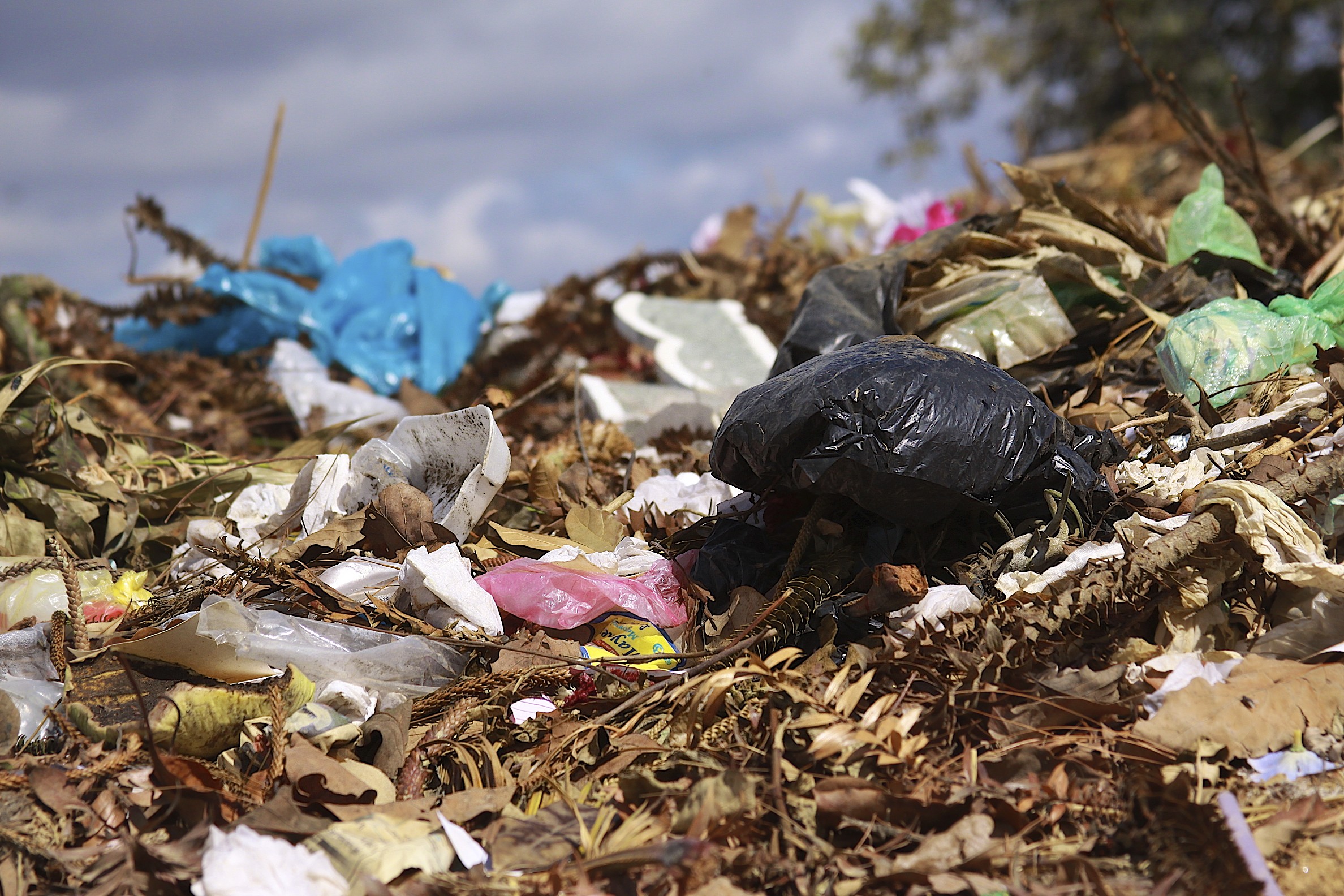
Amid the trash of life, it is so often hard to see the real treasures. Our eyes focus on the circumstance, appearance, and even the bigness of the picture. It’s the same for you and I — we have situations we can’t see beyond.
So what do we do?
We take the next step.
For once we have seen a need, there are ways we can help. We might just not recognize the difference we can make in the moment.
I’m happy to share tomorrow what happened after I left that dump feeling helpless to plant any hope for a great future. A next step was revealed.
What step are you taking today?
in your home?
in your community?
anywhere?
Thanks for sharing Alene. The needs are so great. We need to show up!
Oh girl – so true! There are ways we can “show up!” I’ll be sharing some opportunities soon. I hope you’ll follow along and pray about Guatemala. How you can help? If you are to be a part? This dump city messed me up so good – God got my attention.
You don’t really know how bad it is for others until you see pictures like these. I had no idea that people glean off of the dumps. An idea, while repulsive to me, is just a day in the life to them. It is so helpful to see and read these words because it shows me where my help is truly needed.
I had seen a documentary once where people lived in the dumps, but seeing it in real life impacts you in a way I still can’t describe. It is the way they live and support themselves and families. We will be going back. Pray about Guatemala — maybe you should come with us. I’ll be posting more soon.
It certainly is an eye opener. I’m excited to see what you are doing to help down there. I think this is something I’d like to do someday. I have to get over my weird fear of leaving the country. It’s all about stepping out of those comfort zones.
Keep a watch out friend and be in prayer. We are working on arranging for a team to go down and serve at the Potter’s House. We want to share the stories and spread the word to help get some of those children sponsored. I wrote a little about the Potter’s House today. Guatemala was very safe. The missions we worked with were phenomenal.
Alene, I have felt that way even here in the USA…My heart breaks for those in poverty…It is very overwhelming..However, I have to keep telling myself that any step to help is a step they didn’t have…No, we can’t save the world, but we can do our part the best we can..God bless you in your journey!
My heart breaks for many here in the US too. But while our government helps so much here, the Guatemalan’s get no help. Thanks for your blessings. If your in CC, we will be taking food to the streets on the 23rd.
It was hard to see, but I am so glad God gave me the opportunity to go. I know I too got some direction from God and the work ahead makes me glad that I serve a faithful God. Your pictures are wonderful and take me back to the exact moment we were there together. Thank you my dear sister.
Loved our time together. It felt like family from the moment we all hooked up at the airport. My life has been changed. I keep telling everyone about you and your story of David just at the right moment. God was moving through you in that village! Life’s were changed because of your obedience.
I lived in Guatemala and visited the city dump while working there for a Christian organization. I visited a daycare and health centre located in right at the dump. Do you know that they have a problem finding daycare teachers because after a while, because of all the bacteria in the air, the teachers start developing skin health problems, respiratory diseases, etc.? people that work there are real heroes. I met a lady that had been the daycare director for years, her skin was covered with tiny “bumps”, but she still loved the children much more and stayed there. We, that have had the opportunity to be in places like the dump, the rail tracks, etc., should and must never be the same again. May God bless you all and may this not be your last trip to such a beautiful country.
Thank you for sharing and for working there in Guatemala. I hope to go back soon. I fell in love with that community!
You captured those moments beautifully, Alene, both in pictures and in words. It’s a day I’ll never forget.
Some of my favorite parts of the trip are remembering the moments that made me call you “Joy” – those moments when your joy was shining- like when you looked at and talked to those kids at Potter’s House. Thanks for sharing with others the view through your eyes :)
My dear Dawn — first, I MISS YOU!!! I think of you often as you were such a lesson to me that day in the malnutrition hospital. I’ll be teaching this Wednesday and using you as an example. As soon as that lesson forms into writable words — I’ll post that precious moment.
I posted about the Potter’s House today AGAIN. LOL It was a place that changed me — well, all of Guatemala did. I will be going back. I hope you want to go back too!!!
Uhmmm yes please! Take me with you!